For all of its symmetry鈥攆our precise weeks of seven days each鈥攊t presents some remarkable anomalies. Every four years it adds a day, as it will this year. America celebrates the birthdays of its two most celebrated presidents on the 16th, which totally ignores their actual dates of birth. It also boasts two singular non-holidays鈥擵alentine’s Day and Groundhog Day.
The fact that Leap Year coincides with the quadrennial presidential campaign adds to the fun. In a way, February is the winter equivalent of the mid-summer “silly season,” when news is short and days are long, except it’s wintertime.
The site of all those would-be leaders of the free world slogging through the snows of New Hampshire, or braving Iowa’s freezing temperatures, no doubt inspired Alan Shulman to the primary campaign to explore what the winning candidates did right鈥攁nd the losers did wrong鈥攊n his article titled “Sales Lessons from the Presidential Primaries.”
Those primaries, and the elections to come, cost a lot of money鈥攏ot in the old fashioned sense, where candidates bought drinks at the local saloon to get people to vote for them, but in the modern media incarnation鈥攚hich requires that tons of money be spent bombarding the air waves with propaganda. Where does it come from? Well, at least some of it comes from people who were formerly dubbed “rich,” but who are now more politely characterized as “high net worth individuals.”
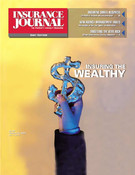
Andrea Ortega-Wells gives us a tour of their world in her article “They’re in the Money! Targeting and Insuring the Very Rich.” What she’s found may surprise you. Although, as Daniel H. Olmsted points out, F. Scott Fitzgerald once observed that “the rich are different,” it’s now a difference more of needs and attitude than the power of money.
We also turn to the needs of the would-be rich in the form of the small businesses that make up the backbone of America’s entrepreneurial expertise. Insurance is one, but a great deal more as well鈥攈ealth plans, retirement plans, EPLI, D&O, etc.
While agents know about these problems, they may not be as familiar with the emerging threats posed by the Internet. Brad Gow, president of ACE USA’s Professional Risk Division, explores how a small bit of malicious code can disrupt business, damage files, destroy critical data, hinder communications, keep employees idle, prevent customers or clients from doing business and potentially expose a company to legal liabilities, and that’s for openers.
There’s a lot more, and we hope you enjoy this, the fourth 九色 East.
February’s best comment came from U.S.I.’s Sr. VP and Head of Marketing Jeff Jones. Commenting on the need to expand the services agents and brokers provide their clients, he observed, “Just because it’s a small P/C account, doesn’t mean it’s a small account.” That’s something to think about as the new year unfolds.
Was this article valuable?
Here are more articles you may enjoy.
 Trump Administration Backtracks on Removing Ocean Sensors
  Appetite for Insurance M&A Remains as AI Enters the Chat, Says PwC
  Older, Wealthier Renters Drive Changes in Insurance Needs
  Florida’s Unemployment Rate Is Surging Even as High-Profile Companies Move In
 From This Issue